
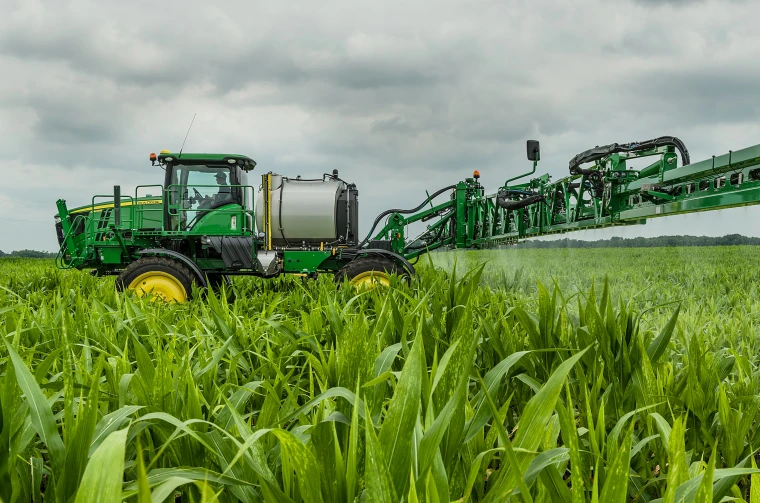

Farming is no longer done only with hard manual work and basic tools. Today, technology is transforming agriculture in powerful ways. automation in agricultural equipment Automation is helping farmers grow more food using fewer resources. From self-driving tractors to smart irrigation systems, machines now play a major role in how farms operate.
Automation is not only about saving time, as it helps farmers reduce waste, improve accuracy, and protect the environment. Similar changes are also happening in other heavy equipment industries, where smart machines and digital systems are improving safety and performance.
The Growth of Smart Farming
Automation in farming began with simple machines, but now it is driven by data, sensors, and artificial intelligence. Many farms use GPS-guided tractors, automatic seed planters, and drones that fly over fields to check crop health.
These tools support farmers to make better decisions. Tractors can function day and night with less human control. Drones can spot dry areas, pests, or plant diseases early. This allows farmers to act quickly and avoid large losses.
Automated irrigation systems use sensors in the soil to measure moisture levels. Instead of watering the entire field, the system only waters areas that truly need it. This saves water, reduces energy use, and improves crop growth.
Using Data for Better Results
One of the major benefits of automation is real-time data. Precision farming tools collect information from satellites, drones, and ground sensors. This data is analyzed to help farmers decide when to plant, how much fertilizer to use, and when to harvest.
This approach reduces waste and also helps farmers prepare for changing weather conditions. When farms apply only the exact amount of chemicals or water needed, the soil stays healthier, and the environment is protected.
Solving Labor Challenges
Finding farm workers is becoming harder in many regions. Automation helps solve this problem by using robotic harvesters that can pick fruits and vegetables. These machines use cameras and artificial intelligence to recognize ripe produce and harvest it carefully.
In animal farming, automated systems are also making a big difference. Robotic milking machines, smart feeding systems, and health trackers allow farmers to care for livestock more efficiently. Farmers can monitor animals remotely and respond quickly.
Safer and More Reliable Operations
Automation makes farming safer by handling dangerous or physically demanding tasks. Heavy machinery can be controlled remotely, reducing the risk of injury. Smart machines work more consistently, which means fewer breakdowns and less downtime.
Maintenance is easier because automated systems can detect problems early and send alerts. This prevents major equipment failures and saves repair costs.
The Future of Farming
The future of agriculture will be built around smart systems that work. Machines will communicate, predict problems, and adjust automatically. This will allow farmers to grow more food while using fewer resources.
Automation is turning farms into intelligent systems that are faster, cleaner, and more sustainable. Just like other industries using heavy equipment, agriculture is proving that technology is the key to a smarter future.