
What Is Asbestos?
Asbestos is a naturally occurring mineral that was once widely used in building materials. It was praised for its durability, fire resistance, and insulating properties. For decades, it was considered a “miracle product” in construction. However, its widespread use has since been linked to serious health issues. The very fibers that made asbestos so useful in construction are also what make it dangerous when disturbed.
Common Locations of Asbestos in Older Homes
Many homes built before the late 1970s likely contain asbestos in various materials. Identifying it can be tricky, as it’s not always visible. Some common places to look include:
- Insulation: Around pipes, boilers, and in attic or wall spaces.
- Flooring: Vinyl floor tiles, especially older ones, often contain asbestos.
- Roofing and Siding: Asbestos was used in shingles and cement siding for its durability.
- Textured Ceilings: “Popcorn” ceilings might contain asbestos.
- Other areas: It could also be found in older cement products, some paints, and even in older appliances.
Health Risks Associated with Asbestos Exposure
When asbestos-containing materials are disturbed, tiny fibers can become airborne and inhaled. Prolonged exposure to these fibers is linked to severe health problems. These can include:
- Asbestosis: Scarring of the lungs.
- Lung Cancer: A serious form of cancer.
- Mesothelioma: A rare cancer affecting the lining of the lungs, abdomen, or heart.
It’s important to note that some asbestos-related diseases may not appear until many years after exposure. Because of these risks, buyers are often concerned about homes with asbestos, making disclosure of asbestos a key part of selling an older property.
Navigating Legal Requirements and Disclosures
When selling a historic home, especially one that might contain asbestos, understanding and adhering to legal disclosure requirements is paramount. These laws are in place to protect buyers and ensure they are fully informed about the property they are purchasing. Failing to disclose known issues, such as the presence of asbestos, can lead to significant legal and financial repercussions down the line.
State-Specific Disclosure Laws for Asbestos
Disclosure laws vary considerably from state to state. While some states have explicit mandates for asbestos disclosure, others may fall under broader categories of environmental hazards or material defects. It is crucial for sellers to research and understand the specific requirements in their jurisdiction. Generally, sellers are obligated to disclose what they know about the property’s condition, not necessarily what they could find out through extensive investigation. However, if there’s a suspicion of asbestos, it’s often safer to disclose it or have it professionally tested. Some states require specific disclosure forms to be completed, detailing known issues. For instance, in pre-1978 homes, federal law mandates disclosures regarding lead-based paint, and similar principles often apply to other known hazards like asbestos.
The Importance of Transparency with Buyers
Transparency is key when selling a home with potential hazards. Openly disclosing the presence of asbestos, even if it is undisturbed, builds trust with potential buyers. This allows them to make informed decisions and factor any necessary remediation or management costs into their offer. Hiding known issues can lead to disputes and legal action after the sale. Buyers are increasingly aware of potential risks in older homes, and a proactive approach to disclosure can actually be a selling point, demonstrating the seller’s integrity. Providing documentation from past inspections or abatement work, if available, can further support transparency.
Consequences of Failing to Disclose Asbestos
Failure to disclose known asbestos can have serious consequences. Buyers who discover undisclosed asbestos after purchasing a property may have legal recourse against the seller. This can result in lawsuits seeking damages for the cost of abatement, health-related expenses, and diminished property value. In some cases, sellers might even be compelled to rescind the sale. Even when selling a property “as-is,” sellers are typically still required to disclose known material defects, including asbestos. This is why understanding your state’s specific disclosure laws and consulting with a real estate attorney or an experienced agent knowledgeable about older homes is highly recommended. A thorough disclosure process, documented properly, can protect sellers from future liability and ensure a smoother transaction. For more information on disclosure requirements, you can refer to state-specific disclosure laws.
Professional Asbestos Inspection and Testing
When preparing to sell a historic home, understanding the presence and condition of asbestos is a significant step. It’s not always obvious if asbestos-containing materials are present, and attempting to identify them yourself can be risky. This is where professional inspection and testing become important.
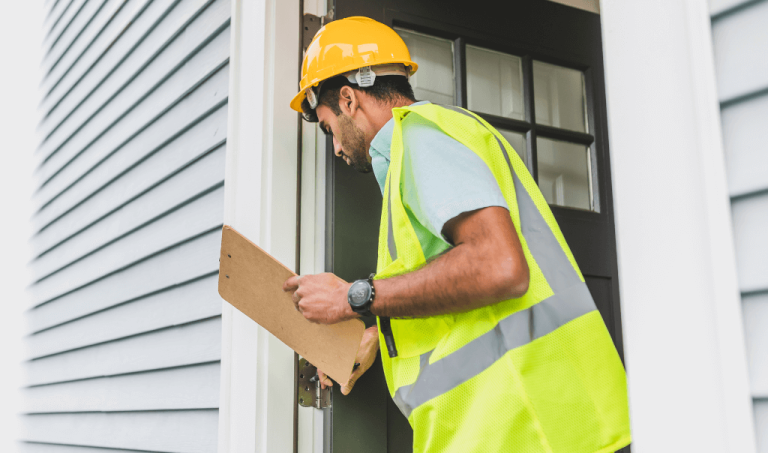
A certified inspection provides definitive answers about asbestos in your home. Relying on visual cues alone is unreliable, as many materials used in older homes can resemble asbestos. Furthermore, disturbing suspect materials without proper training and equipment can release harmful fibers into the air, creating a health hazard for you and potential buyers. A certified inspector has the knowledge and tools to safely assess the situation and collect samples for laboratory analysis.
During an inspection, a qualified professional will systematically examine your home, looking for materials commonly known to contain asbestos. This might include:
- Insulation around pipes and heating systems
- Textured paints and coatings on walls and ceilings (like popcorn ceilings)
- Vinyl floor tiles and the adhesive used to install them
- Roofing and siding materials
If suspect materials are found, the inspector will carefully collect small samples. These samples are then sent to an accredited laboratory for analysis. The lab uses specialized equipment, such as polarized light microscopy (PLM), to determine if asbestos fibers are present and, if so, what type and percentage.
The cost of an asbestos inspection and testing can vary based on the size of your home and the extent of the suspected materials. Generally, you can expect to pay anywhere from $300 to $1,200 for a thorough inspection and sample analysis. While this may seem like an added expense, it provides critical information that can inform your selling strategy, protect you legally, and offer transparency to potential buyers. This investment can prevent larger issues down the line and contribute to a smoother transaction.
Options for Handling Asbestos Before Sale
When a historic home is found to contain asbestos, sellers face a critical decision: how to address it before putting the property on the market. The approach taken can significantly impact the sale process, buyer interest, and the final sale price. Generally, there are two primary paths: asbestos abatement (removal) or asbestos containment. Each has its own set of considerations, costs, and implications for marketing the property.
Asbestos Abatement: Full Removal
Asbestos abatement involves the complete removal of asbestos-containing materials from the home. This is often considered the most thorough solution, as it eliminates the hazard entirely. While it can be a significant upfront expense, ranging from a few thousand to over ten thousand dollars depending on the extent of the asbestos and the complexity of the removal, it can make the home more attractive to a wider range of buyers. Buyers, especially those seeking a move-in ready property, may be hesitant to purchase a home with known asbestos issues. By undertaking abatement, sellers can potentially command a higher sale price and attract buyers who might otherwise be deterred. It is imperative to hire licensed and insured asbestos abatement professionals for this process, as improper removal can be hazardous and create further liability.
Asbestos Containment Strategies
If the asbestos-containing materials are in good condition and not likely to be disturbed, containment may be a viable option. This involves sealing or covering the asbestos to prevent fibers from becoming airborne. Methods can include applying specialized coatings, encasing the material, or wrapping pipes. Containment is typically less expensive and quicker than full removal. However, it does not eliminate the asbestos, and sellers must still disclose its presence to potential buyers. This option is often best suited for situations where the asbestos is in an undisturbed area, such as within wall cavities or under flooring, and where future renovations are not immediately planned by the seller. A professional assessment is recommended to determine if containment is a safe and appropriate strategy for the specific situation.
Selling a Home with Undisturbed Asbestos
In some cases, sellers may opt to sell the home with the asbestos remaining in place, provided it is undisturbed and in good condition. This approach requires full transparency and disclosure to all potential buyers. Sellers should be prepared for buyers to potentially request credits or price reductions to account for the future cost of abatement or containment. Providing buyers with professional inspection reports and estimates for remediation can help manage expectations and facilitate negotiations. Selling a home with undisturbed asbestos might appeal to buyers who plan extensive renovations and intend to address the asbestos as part of their project, or to investors looking for properties where they can manage the remediation process themselves. The key to successfully selling a home with undisturbed asbestos lies in honest communication and a willingness to negotiate.
Working with Real Estate Professionals
When selling a historic home that may contain asbestos, partnering with the right real estate agent is incredibly important. These professionals can guide you through the complexities of the sale, from understanding disclosure requirements to marketing your property effectively. An experienced agent can be your greatest asset in a successful transaction.
The Role of Experienced Real Estate Agents
Real estate agents who specialize in older homes or have experience with properties containing asbestos can offer significant advantages. They understand the unique challenges and opportunities associated with historic properties. Their role includes:
- Providing accurate market valuations.
- Advising on necessary preparations before listing.
- Connecting you with qualified asbestos professionals if needed.
- Marketing the property to attract suitable buyers.
- Handling negotiations and paperwork.
How Agents Navigate Asbestos Sales
Agents experienced with asbestos sales know how to approach the disclosure process. They will help you understand your legal obligations regarding asbestos, ensuring you comply with all state and local regulations. This transparency is key to building trust with potential buyers. They can also help manage buyer concerns by providing factual information and suggesting next steps, such as professional inspections or abatement options. This proactive approach can prevent deals from falling apart due to unexpected issues. For guidance on what sellers are legally required to reveal, consult resources on real estate disclosures.
Finding an Agent Knowledgeable About Older Homes
When searching for an agent, look for someone with a proven track record of selling historic properties. Ask potential agents about their experience with homes built before the 1980s and if they have handled sales involving asbestos. Referrals from friends or neighbors who have sold similar homes can be very helpful. Additionally, agents who are members of historic preservation groups or local historical societies may possess the specialized knowledge you need. Successfully restoring and enjoying older homes often involves navigating unexpected problems, and an agent familiar with these nuances can be a great help, much like homeowners who have faced unique challenges with fixer-uppers.
Negotiating with Potential Buyers
When selling a historic home that contains asbestos, negotiations with potential buyers can become more complex. Buyers may express concerns about health risks and the potential costs associated with asbestos. Transparency and a willingness to negotiate are key to a successful sale. It is important to be prepared for these conversations and to have a clear understanding of your options.
Addressing Buyer Concerns About Asbestos
Buyers encountering asbestos in a historic home often have questions and anxieties. They might worry about the health implications for their family or the significant expense of removal. Presenting factual information and demonstrating a proactive approach can help alleviate these fears. This includes:
- Clearly explaining what asbestos is and where it is located in your home.
- Providing documentation from any professional inspections or testing that has been performed.
- Sharing information about the condition of the asbestos (e.g., whether it is undisturbed and unlikely to be a risk if left alone).
Offering Credits or Price Adjustments
One common strategy to move forward with a sale is to offer financial concessions. This can take the form of a credit at closing or a direct reduction in the sale price. The amount of the credit or adjustment is typically based on the estimated cost of asbestos abatement or remediation. Presenting buyers with estimates for this work can help them understand the financial implications and can form the basis for a fair negotiation. This approach allows buyers to have a say in how the asbestos issue is handled, whether through professional removal or other methods they deem appropriate.
Strategies for Negotiating Abatement Costs
If you decide to handle the asbestos issue, negotiations may center on who bears the cost of abatement. You might offer to have the work done before closing, or you could agree to a price reduction that allows the buyer to manage the abatement process themselves. Presenting buyers with quotes from licensed asbestos professionals can provide a clear financial benchmark. Being flexible and open to different solutions can help bridge the gap between your expectations and the buyer’s concerns, ultimately leading to a mutually agreeable outcome.
Selling Strategies for Homes with Asbestos
Selling a home that contains asbestos presents unique challenges, but it is far from an insurmountable obstacle. A significant percentage of older homes, particularly those built before 1980, contain asbestos in various building materials. Understanding your options and approaching the sale with transparency can lead to a successful transaction. The key is to be prepared, informed, and flexible.
Selling As-Is with Asbestos Present
Opting to sell your home “as-is” can streamline the process, especially if you wish to sell quickly or avoid the significant costs and complexities associated with asbestos abatement. This approach acknowledges that the property may have several aging components, not just asbestos. When selling as-is, buyers typically expect to undertake renovations and repairs themselves. While this often means accepting a lower offer than you might otherwise receive, the convenience of bypassing extensive remediation work can be a significant advantage. It’s important to factor in the potential cost savings from avoiding repairs against the discounted sale price.
The Impact of Abatement on Marketability
Choosing to remove asbestos before listing your home can broaden your buyer pool. Many traditional buyers, particularly those who finance through conventional mortgages, may be hesitant to purchase a property with known asbestos issues due to health concerns and the perceived hassle of remediation. By undertaking professional asbestos abatement, you can present your home in a more favorable light, potentially attracting buyers who might otherwise be deterred. However, this strategy involves substantial upfront costs and can extend the selling timeline. The decision to abate should be weighed against your budget, timeline, and the potential increase in marketability and sale price.
Securing Cash Offers for Properties with Asbestos
For sellers prioritizing a swift and straightforward sale, seeking cash offers can be a highly effective strategy. Investors and cash buyers are often more amenable to purchasing properties with existing asbestos. They typically have the resources and experience to handle remediation or renovation projects without needing traditional financing contingencies. Presenting a clear disclosure of the asbestos presence and providing documentation from professional inspections can build trust with these buyers. While cash offers may be lower than those from traditional buyers, they often come with faster closing times and fewer complications, making them an attractive option for sellers looking to move on quickly.